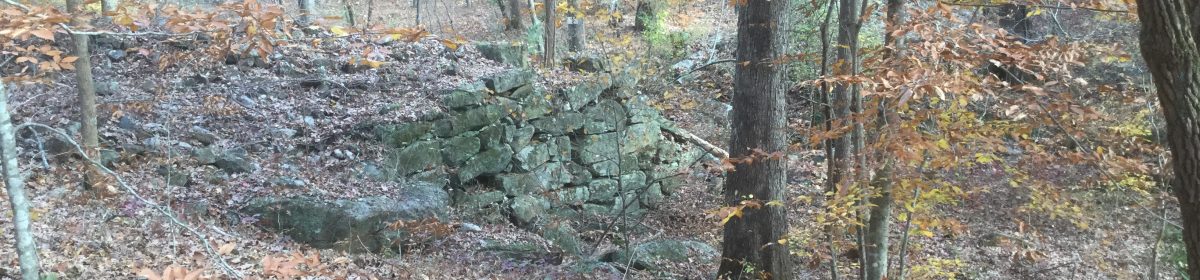

Although I live in the Coastal Plain of middle Georgia, my family has 200 acres of woods in the Piedmont region of northern Georgia. It is a beautiful property, with stately oaks, hickories, and beeches, but the sharp eye can see the wounds Nature has scabbed over. Everywhere are gullies and thin rocky soil where farmers asked more of the land than it could provide. Here is a the hole where a moonshiner kept his still, and there is the echo of a sunken road now paved with oak leaves. An old wall by the creek — probably the remains of a bridge, or possibly a mill dam — is a focal point for my visits when I journey back there every few months. Humans have altered the landscape to suit their desires for nearly as long as they’ve walked these lands, and they’ve been especially good at it in the last three hundred years. Yet, as always, Nature makes do. Plant succession will turn a fallowed field to a pine woodland in a score of years, so what hope does a Mississippian mound complex have against Nature with a thousand years to work with?

 o be put down lest they destroy anything else. And my third thought: Why am I getting worked up over some statues and tablets when people are being slaughtered? Good point. Of course, I have been getting incensed at the executions, the torture, all the brutality done in the name of some version of God or another. So then I ask myself how one hold the loss of an artifact and the loss of a human life as in any way equal in tragic value.
 Towards the Moon or To the Sun
You must be logged in to post a comment.