I’ve been here and there in my time, making a library’s worth of memories — many of which were only possible thanks to the U.S. Department of the Interior.
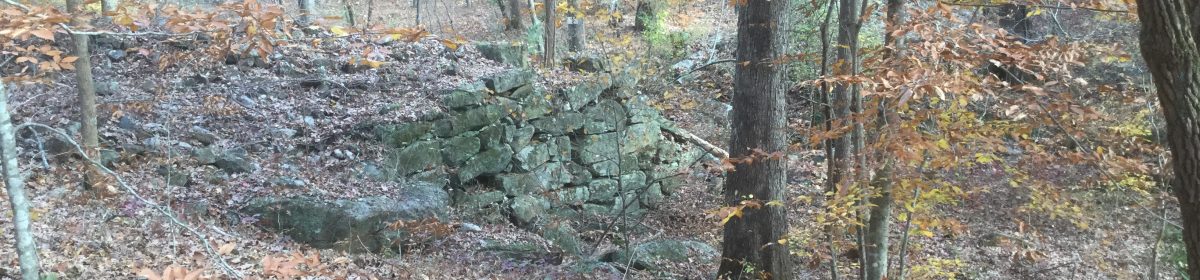
I’ve lived on the Tensas River National Wildlife Refuge, where I worked alongside professionals of the Fish and Wildlife Service, researching the federally-listed Louisiana black bear while the biologists and technicians protected one of the largest remaining bottomland hardwood forests in the Mississippi Alluvial Valley. Had they been around to protect this plot of earth a century ago, the sharp rap of the majestic ivory-billed woodpecker might still echo in the deep forests of Louisiana.

I’ve walked the beaches of Cumberland Island National Seashore as one of the 300 visitors that the National Park Service allows on any given day – once as a Boy Scout, once as a research assistant. You don’t have to be rich to get on the island, and you don’t have to peer through hordes of people and past buildings and airports (looking at you, St. Simons and Jekyll) to see nature – you only have to wait your turn.
I’ve walked through National Forest lands, seeing tree-mantled mountains unfestooned with houses – unlike the privately-owned ridges, where the wealthy can buy the best views at the expense of the valley-dwellers’ own viewshed.
I’ve gazed with wonder at a wall of fossilized bones from Jurassic beasts, and petroglyphs drawn by people a thousand years ago. If Dinosaur National Monument hadn’t been protected by the U.S. government early in the last century, I expect the petroglyphs would be vandalized, the local rivers would be dammed for power and tourist reservoirs, and the dinosaur fossils would be in private galleries and unavailable for research.
I’ve walked a fraction of the Appalachian Trail, where anyone can freely hike — whether for a day’s outing or as a nature pilgrimage across 2,200 miles of mountain meadows, fens, and forests. Although maintained by countless volunteers, the footpath is overseen by the National Park Service.
I’ve driven through wide-open grassland country maintained by the Bureau of Land Management, which oversees roughly an eighth of all U.S. land.
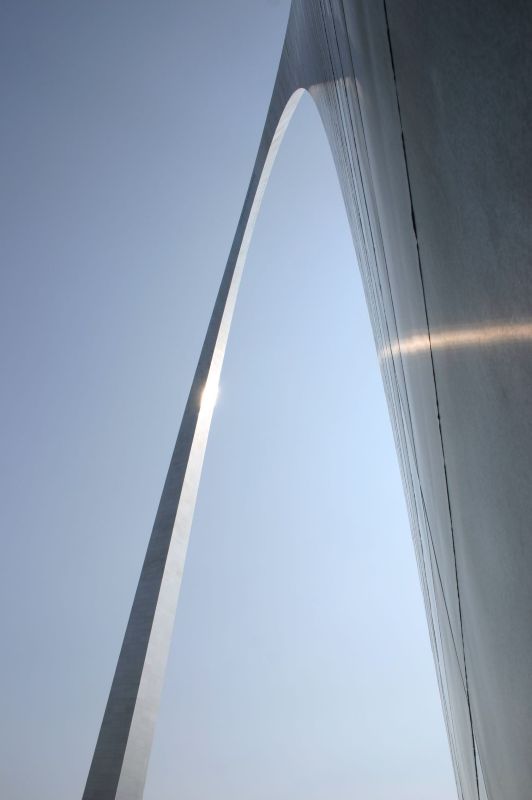
I’ve marveled at snow-capped Denali and arid Devils Tower looming high in the sky. I’ve stood in the rainforest on the western slopes of the Olympic Mountains, and watched the waves break against the rocky Acadia shores. I’ve walked among the mineralized tree trunks of Petrified Forest and viewed the river-sculpted artistry of the Grand Canyon; delved the depths of Carlsbad and hiked the spine of the Smokies, touched steaming Hot Springs and paddled through the black water of the Okefenokee swamp.
There are places that we believe should be shared by all rather than owned by only a few. There are places we agree should be protected: from those who would destroy them from a desire to profit, from carelessness or neglect. There are federal agencies tasked with protecting and managing these places sites, and with educating the public about their significance. These agencies are not faceless entities — they’re made up of men and women doing their part to serve their protectorates with conviction and zeal. For many, this is their life’s work. For some, it is their dream job.
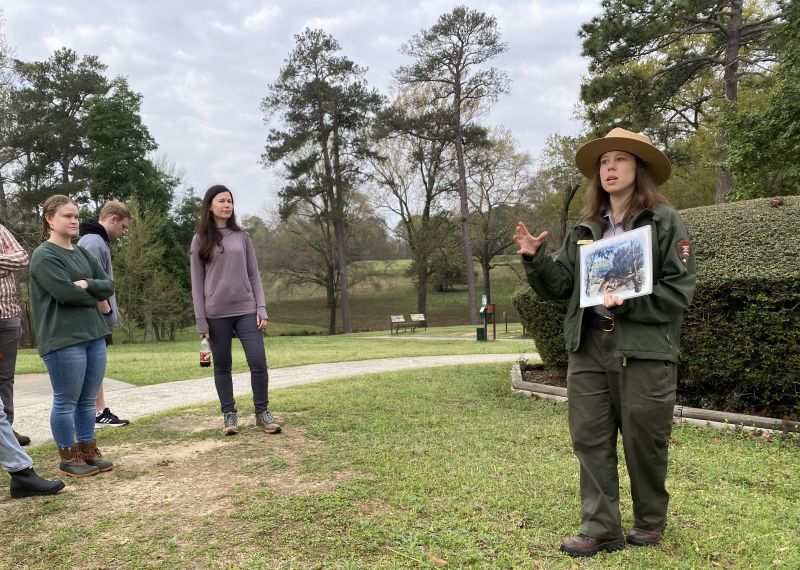
But their often-difficult job is made that much harder by their own government. I’ve never known a conservation agency that wasn’t underfunded and understaffed, with budgets being cut or at least failing to keep up with increasing costs. Buildings in disrepair, worn out trucks, critical habitat management practices relegated to “when we can get to it” – these fiscal difficulties are too common given the importance of the work.

But this year is so much worse. Conservation agencies haven’t been spared the destabilizing personnel cuts that compromise their ability to carry out their missions. Facilities are closing. Species monitoring programs falter. Trained and dedicated professionals are cut loose. Make no mistake, the jettisoning of personnel and the shuttering of offices and departments across the federal government are not to make a more efficient government but to serve the interests of those in power and their backers. As a biologist and an environmentalist, I just happen to be closer to the stewards of American’s natural heritage and can see where this dark road will take us.
So what can you do to help?
- Write to your representatives; let them know conservation, and the professionals who foster conservation, are important to you.
- Support and vote for candidates who are more favorable to conservation and less willing to sell off national treasures.
- Visit National Parks, Forests, Monuments, Wildlife Refuges, National Seashores, and other lands overseen by the Department of the Interior. Make a point to see the less frequented sites; less popular doesn’t mean less interesting. While you’re there, let the employees – from managers to rangers to gift shop clerks – know you appreciate what they’re doing.
- Consider volunteering, or supporting “Friends of” organizations.
I welcome other suggestions, because I am heartsick and don’t know how to turn things around.
Our nation’s wealth includes a trove of all the special places unique to this continent. Spending this wealth – selling off resources – puts money in a company’s pocket but leaves the nation’s people impoverished. These protected lands are for us to appreciate and hand down to the generations that follow. Don’t let a short-sighted regime steal them from us.

 Towards the Moon or To the Sun