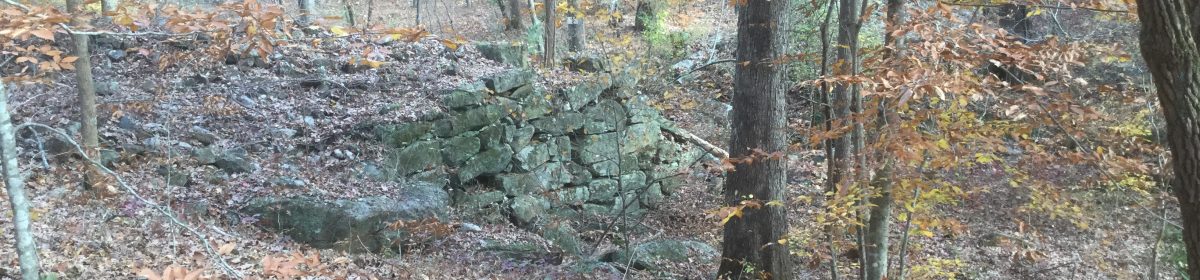
In the way-down end of Alabama sits the Solon Dixon Forestry Education Center, a 5300- acre property dedicated to research and education about the ecology of lower coastal plain landscapes. The workshop I attended last spring was worth an educational blog report in itself, but it wasn’t the group classes or field trips that garnered the strongest memories of that place.
Each evening after supper, the participants were at leisure to walk around the property or make the twenty-minute drive into the nearest town. One of the staff told me about a spring off one of the back trails, so, with hiking stick in hand. I strolled past the sinkhole lake and into the woods to find it. The young planted pines gave way to lush hardwood canopies, and I heard the chuckling of running water. Beside the trail, weathered stairs descended 20 or so feet to the stream. In a land of blackwater rivers, I was surprised to find the clear, bluish water streaming out of the wall of a greenery. The interpretive sign at the top of the stairs stated that this spring and its smaller neighbor produce 15,000 gallons per minute of 67 degree F water, running some 350 feet before disappearing back into the ground. It was clear, tinted blue, and wonderful to visit.
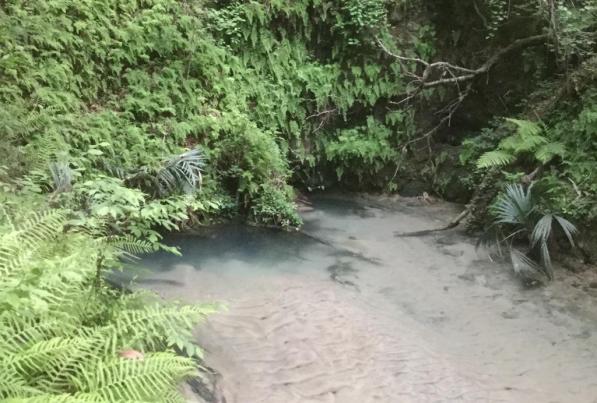
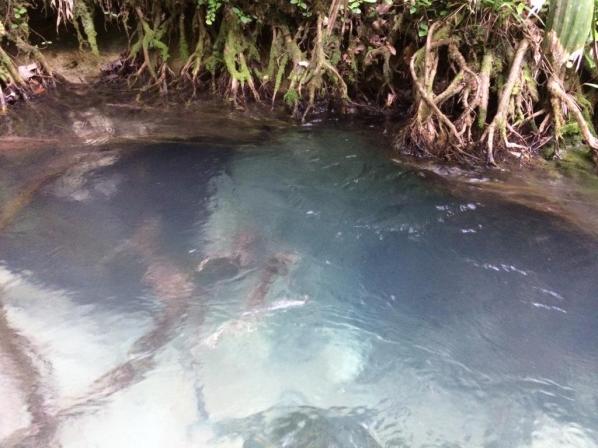
I couldn’t resist; in short order the boots came off and I stepped into the cool stream a hundred feet or so downstream from where the water rose. My feet glowed pale blue beneath the surface, and my first step disturbed the detritus of waterlogged bark and leaves at the base of the stairs. I felt them roll over my feet, and then noticed a rhythmic poking against my ankle on the leeward side. Lifting back out and letting the surface smooth, I noticed four or five fish darting around. By the interpretive sign, I guessed they were Dixie chub. I listened to the rushing of water beyond the downstream bend, felt the flow across my calves, and breathed A few minutes later, I was back on land, donning my boots as another workshop attendee came down the stairs. He looked appreciatively but briefly over the spring, then headed on. I meandered up the path toward the spring, stopping to measure the water’s depth at a narrow point (the part I could reach was probably above 4 feet on my staff). I was surprised to see a mountain laurel flowering, a mere fifty miles from the Gulf of Mexico. The sign uphill warned against tearing up the banks looking for sharks teeth; there was plenty of evidence that the sign went unheeded. For one who is content to bask in the atmosphere of the cove, it saddened me that others would damage it for trinkets – but we all are guilty of this, either directly or at a remove.
At the spring, I succumbed to temptation and waded in to the shallower pool. I meant to only wade a little way, but the spring me to get just a little closer…just a little closer… until I was thigh-deep and balanced on rocks within arm’s length from the fern-covered cliff wall. At my feet, I could make out deep blue gaps where the springwater rushed out. The siren song of the narrow cavern beckoned me to take the plunge and float in the upwelling. Instead, I stood there and quietly tried to absorb the moment, watching the water roil, the sand swirl.
Scattered lightning bugs flashed in the failing light as I headed up the bank and back to the dirt road. There was no sound of humanity until I was nearly to the paved road, when I heard the distant moan of a train.


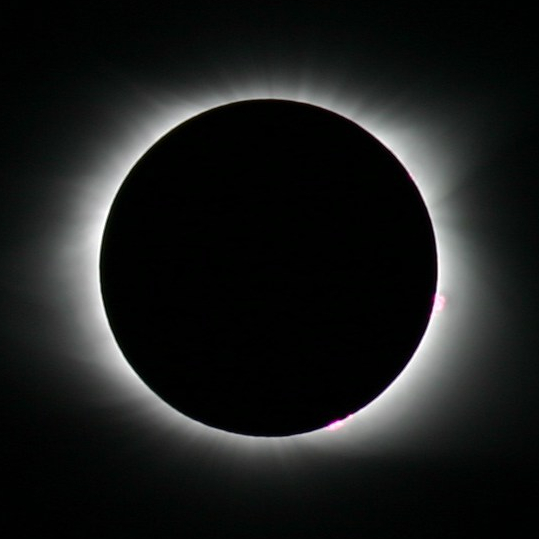
 per day, and was down to my last dozen exposures. At ten o’clock, the disk flattened against the horizon. As beautiful as the scene was, I wondered if the legendary phenomenon would show itself. And would I be able to capture it?
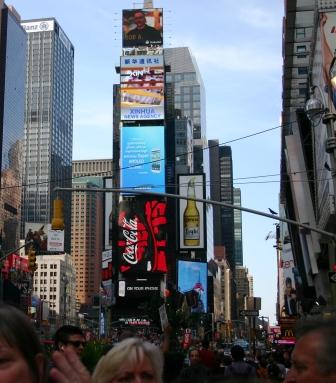
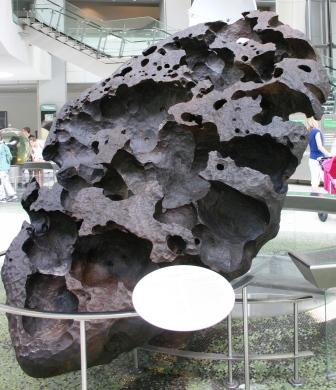
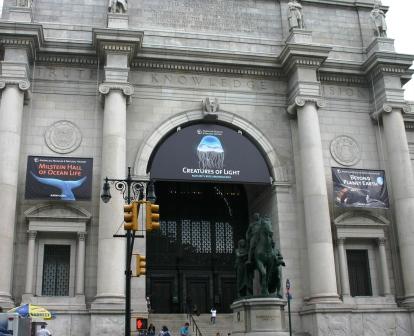 ven tickets, we took in a show under the planetarium dome before winding downstairs to admire the Williamite Meteor. After that, we went through a couple of the nearer rooms before realizing that time was ticking away. Narrowing our sights, we headed to the Pacific Northwest Indian room; my wife had read some of the works of those who had added to that collection. Then we searched around and eventually found the one thing I really, really wanted to see – the Hall of Human Origins. There I could gaze on many of the displays that one sees in paleoanthropology texts, and I took copious photos of the bones, tools, and works of art.
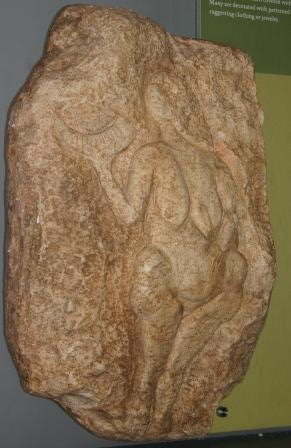 I have to say, the museum was oddly laid out. Figuring out how to get from points A to B was daunting, as several places were only accessible through a particular room, and we wasted a good deal of time getting to certain exhibits.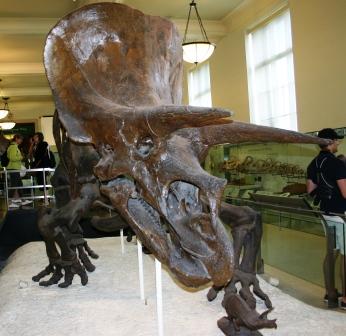
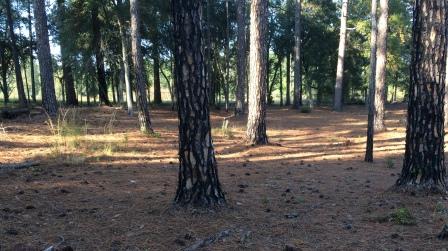
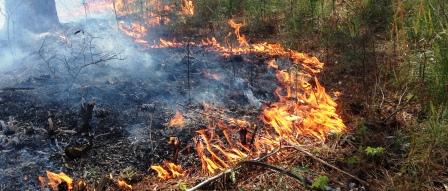
 pines, then this is an efficient way to do it, so long as disease and beetles are kept at bay. But I don’t really think of a crop field of trees as a true pine forest. I’ve seen living pine forests, their boughs swaying in the breeze, with scores of plant species carpeting the ground beneath. Yes, and the air filled with bird song, the rustle of squirrels and rabbits, the crash of running deer. As an example, look at the photo to the right: I couldn’t count the number of different species shown in this understory, but I know I liked what I saw. Broomsedge, ragweed, partridge pea, goldenrod, wiregrass – all these and more provide seeds for birds, nesting cover, flowers for pollinators, and fuel for the fires that keep the habitat open and vibrant. The pines in this stand weren’t slacking, either. The well-thinned pines in open stands will be healthier, more resistant to insect infestation, and will increase diameter faster than more crowded stands.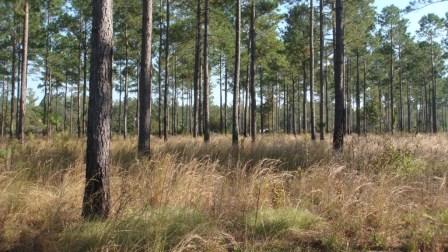


You must be logged in to post a comment.