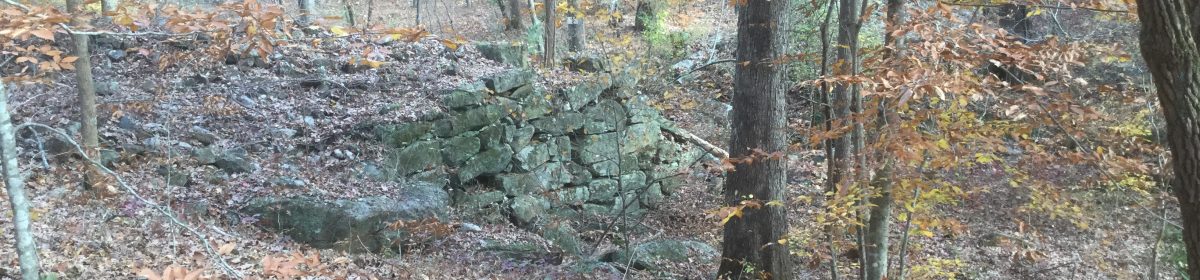
Although summer has continued its fierce rearguard action well past a reasonable concession date, autumn is here. True to the colloquial name, “fall”, the trees are divesting themselves. But I’m not talking about leaves; there is still a lot of green in the trees at the moment. I’m looking at acorns, specifically white oak acorns.
The white oak (Quercus alba) is an all-around excellent tree. Large, long-lived, and handsome, much can be said about this species and its lumber (including being crucial for bourbon barrels and earning USS Constitution its “Old Ironsides” nickname). But on this October day I want to talk about the nut of the oak.

White oaks are the flagship of a cluster of species known as the white oak group (which include English oak, burr oak, post oak, overcup oak, and scores of others), as opposed to the red oak group (locally represented by the southern red oak, northern red oak, water oak, pin oak, and others). White oaks produce acorns on a one-year cycle – that is, spring blooms will develop into acorns in the early autumn, while red oaks take two years to produce. Red oak acorns tend to drop later in the season, and are much more bitter due to the higher tannin content. On the plus side, red oak acorns will be available to deer during the hungry months before green-up, while white oak acorns germinate soon after hitting the forest floor.
White oak acorns have been falling in prodigious quantities for a couple of weeks now. The tree which stands closer to the house than the deer like to venture has carpeted the ground with the leathery brown nuts. This is definitely a good mast year (“mast” is the collective term for nuts, berries and seeds from trees that are eaten by wildlife) for white oaks. You see, oak mast production is hit-and-miss; several years may go by before there is a bumper acorn crop for a given locale and species. Acorns are sought after by a great many birds and mammals, so on an average year few if any acorns will actually make it to germination. Periodically, a super-abundant crop of acorns will flood the market as it were, providing more nuts than wildlife can consume or stockpile, and increasing the chance that a tree’s attempt at reproducing will be successful. Naturally, the extra food is welcomed by turkeys, deer, squirrels, jays, and other hungry critters. It’s good for wildlife when there are several oak species in the local forest – if the northern red oak is a bust this fall, perhaps the scarlet oak will be a boom.
This is a good year for the critters to fatten up on white oak acorns. We’ll soon see if the red oaks will call, raise, or fold.


 Towards the Moon or To the Sun
You must be logged in to post a comment.