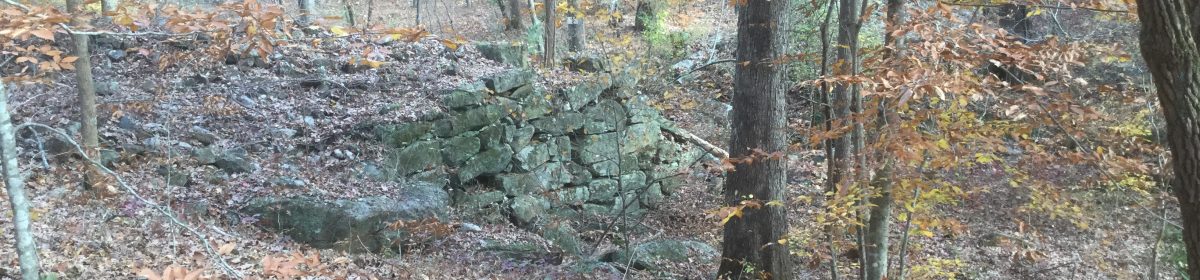
“The central thesis of game management is this: game can be restored by the creative use of the same tools which have heretofore destroyed it—axe, plow, cow, fire and gun” — Aldo Leopold
I can’t get people to cut their timber. And that is a problem.
I will start off with two points. First, I am not a shill of Big Timber. Every loblolly pine plantation will go through a stage where it utterly useless for the wildlife I seek to manage, and I endeavor to rectify that as soon in the cycle as can be managed. Second, forestry in the Southeastern U.S. is not like in the Pacific Northwest. Loblolly pine trees grow fast. Industrial forests are clearcut and replanted every 20 to 40 years. Aesthetics aside, clearcutting a closed-canopy pine plantation in Georgia will be more likely to benefit than harm many wildlife species, at least in the short term.
You may have heard that several Georgia lumber mills have closed in the last couple of years. Perhaps you feel, as many environmentally-minded folks do, that this is a win for the forests of the state. In fact, it makes creating habitat for anything, from deer and bobwhites to indigo buntings and monarch butterflies, that much harder.
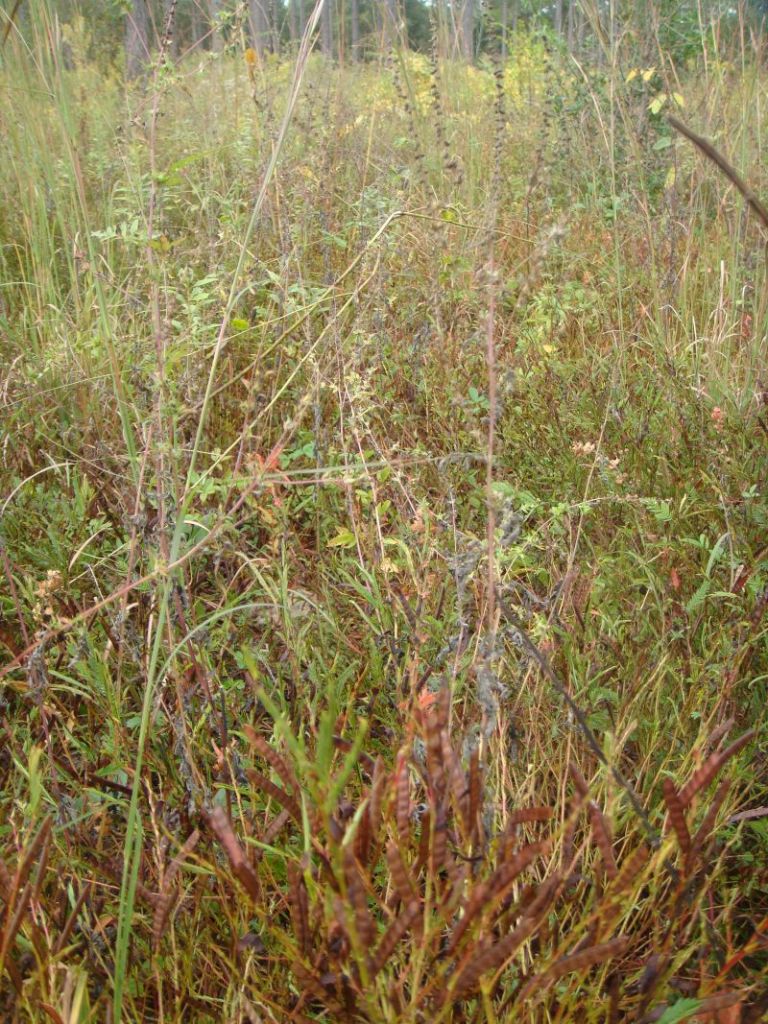
All of the above critters require herbaceous groundcover – native grasses and forbs, as well as low growing shrubs or bramble thickets for cover. That sort of groundcover can be shaded out by a young pine stand inside of a decade. If the stand isn’t thinned, the ground will remain shaded indefinitely.
Loblolly pine stands are ubiquitous throughout the Piedmont. Some were planted on worn-out, eroded crop fields. Others were converted from hardwood forests. Most were established with an eye towards harvest and income in two or three decades. The economics of timber were brighter in those days.
I often work with landowners in possession of a stand of crowded pines with small crowns and stagnant growth. For timber growers, it is a sign that those trees are in dire need of thinning – the removal of some trees to allow the remainder room to grow and resources to ward off pine beetles and diseases. But as a wildlife biologist, the economics of wood fiber is not my purview. Where some see a stagnating pine plantation, I see an ecological desert, where only a few hardwoods and the occasional vine add green leaves in an otherwise monotony of brown pine needles.
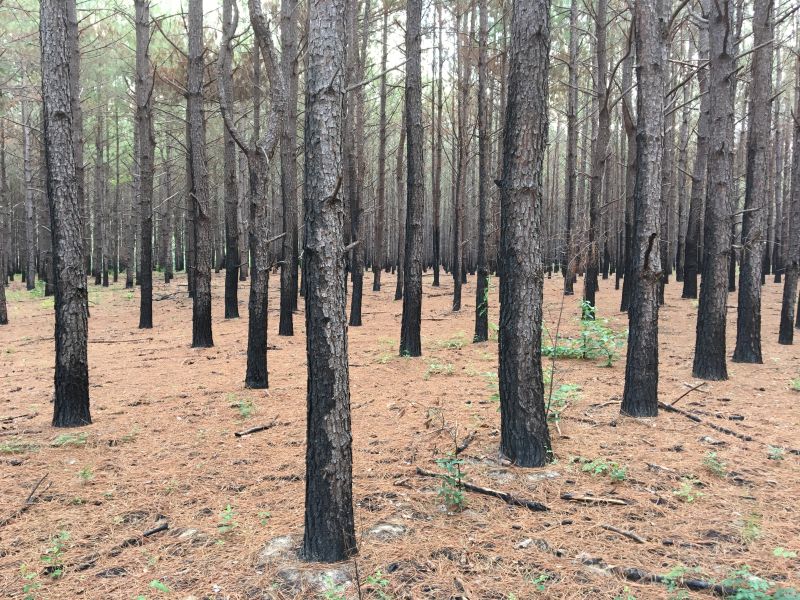
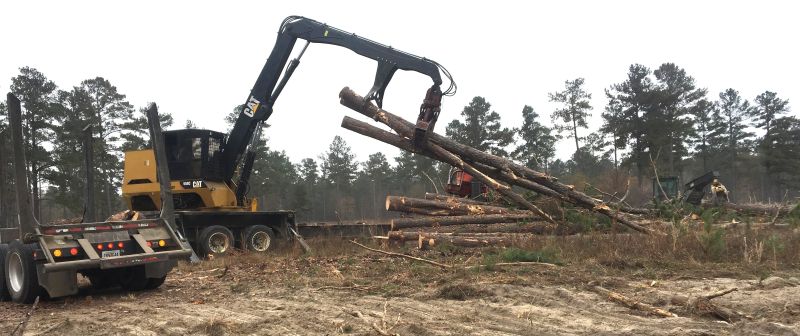
And this is a major issue. My wildlife recommendations for the vast majority of clients start with timber thinning. Without this first step, nothing else I can suggest will make a bit of difference. Twenty years ago, a timber cut wouldn’t have been a problem. But now? Good luck finding a reputable logging crew willing to harvest a mere third of the trees on less than 100 acres. Closing mills and supplies of timber outstripping demand mean the remaining timber buyers can pay bottom dollar for wood, which means the loggers drive farther for less money, if they can sell at all. Paying the crew, feeding equipment gas and diesel, driving hundreds of miles to increasingly-picky mills… there is just no way for a logger to justify the effort for so little return. This development could be catastrophic for the landowner who thinks “this stand is my retirement” or “this is Mama’s insurance policy.” For the conservationist who wants to benefit wildlife, the work they need simply can’t get done. A landowner may have to pay someone to cut their trees – which very few are willing to do.
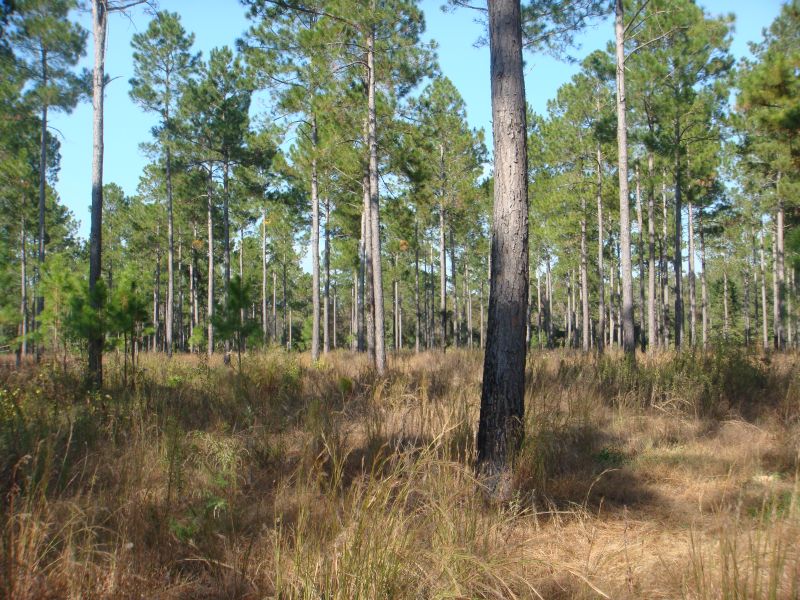
When facing the challenge of restoring wildlife habitat, we must have access to all available tools. In the current economic climate, a critical tool – Leopold’s “axe” – has effectively been removed.
Additional Reading
 Towards the Moon or To the Sun
You must be logged in to post a comment.